
Founder, Sampradaya Designer Studio
-
White Chanderi Silk Saree With Gold Zari Border — Pure Handloom | Silk Mark Certified
Sale price ₹ 13,252.00 Regular price₹ 13,950.00Regular price ₹ 13,252.00Unit price perSale -
Cream Chanderi Silk Saree With Gold Zari Border — Pure Handloom | Silk Mark Certified
Sale price ₹ 13,252.00 Regular price₹ 13,950.00Regular price ₹ 13,252.00Unit price perSale -
Orange Chanderi Silk Saree With Gold Zari Border — Pure Handloom | Silk Mark Certified
Sale price ₹ 13,252.00 Regular price₹ 13,950.00Regular price ₹ 13,252.00Unit price perSale -
Yellow Chanderi Silk Saree With Silver Zari Border — Pure Handloom | Silk Mark Certified
Sale price ₹ 13,252.00 Regular price₹ 13,950.00Regular price ₹ 13,252.00Unit price perSale -
Gray Chanderi Silk Saree With Gold Zari Border — Pure Handloom | Silk Mark Certified
Sale price ₹ 13,252.00 Regular price₹ 13,950.00Regular price ₹ 13,252.00Unit price perSale -
Gray Chanderi Tissue Saree With Silver Zari Border — Pure Handloom | Silk Mark Certified
Sale price ₹ 16,007.00 Regular price₹ 16,850.00Regular price ₹ 16,007.00Unit price perSale -

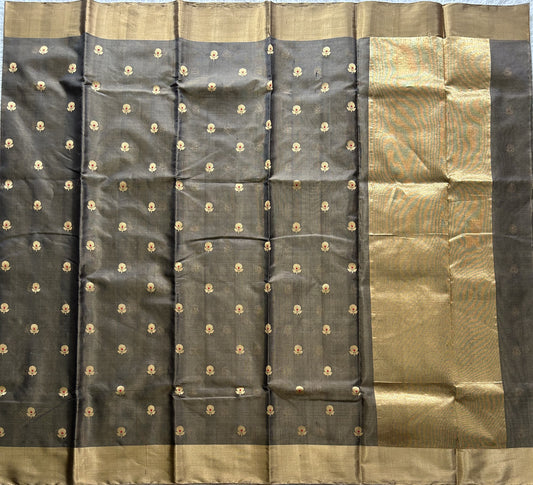
Elephant Gray Chanderi Tissue Saree With Gold Zari Border — Pure Handloom | Silk Mark Certified
Sale price ₹ 15,152.00 Regular price₹ 15,950.00Regular price ₹ 15,152.00Unit price perSale -
Red Chanderi Silk Saree With Silver Zari Border — Pure Handloom | Silk Mark Certified
Sale price ₹ 13,252.00 Regular price₹ 13,950.00Regular price ₹ 13,252.00Unit price perSale -
Red Chanderi Silk Saree With Gold Zari Border — Pure Handloom | Silk Mark Certified
Sale price ₹ 13,252.00 Regular price₹ 13,950.00Regular price ₹ 13,252.00Unit price perSale -
Onion Pink Chanderi Silk Saree With Gold And Silver Zari Border — Pure Handloom | Silk Mark Certified
Sale price ₹ 13,252.00 Regular price₹ 13,950.00Regular price ₹ 13,252.00Unit price perSale -
Baby Pink Chanderi Silk Saree With Gold Zari Border — Pure Handloom | Silk Mark Certified
Sale price ₹ 13,252.00 Regular price₹ 13,950.00Regular price ₹ 13,252.00Unit price perSale -
Brown Chanderi Silk Saree — Pure Handloom | Silk Mark Certified
Sale price ₹ 10,215.00 Regular price₹ 11,350.00Regular price ₹ 10,215.00Unit price perSale -
Chanderi Silk Saree Mint Green color Elegantly Paired with a Gold Zari Border
Sale price ₹ 13,455.00 Regular price₹ 14,950.00Regular price ₹ 13,455.00Unit price perSale -
Beige Chanderi Silk Saree With Gold Zari Border — Pure Handloom | Silk Mark Certified
Sale price ₹ 13,455.00 Regular price₹ 14,950.00Regular price ₹ 13,455.00Unit price perSale -
Chanderi Tissue Saree Amber color Elegantly Paired with a Silver Zari Border
Sale price ₹ 15,165.00 Regular price₹ 16,850.00Regular price ₹ 15,165.00Unit price perSale -
Chanderi Tissue Saree Mustard Yellow color Elegantly Paired with a Gold Zari Border
Sale price ₹ 15,165.00 Regular price₹ 16,850.00Regular price ₹ 15,165.00Unit price perSale -
Chanderi Tissue Saree Stone color Elegantly Paired with a Silver Zari Border
Sale price ₹ 15,165.00 Regular price₹ 16,850.00Regular price ₹ 15,165.00Unit price perSale -
Chanderi Silk Saree scarlet Cloudy Gray color Elegantly Paired with a Silver Zari Border
Sale price ₹ 10,485.00 Regular price₹ 11,650.00Regular price ₹ 10,485.00Unit price perSale -
Chanderi Silk Saree scarlet Dave Gray color Elegantly Paired with a Silver Zari Border
Sale price ₹ 10,665.00 Regular price₹ 11,850.00Regular price ₹ 10,665.00Unit price perSale -
Chanderi Silk Saree Black color Elegantly Paired with a Silver Zari Border
Sale price ₹ 10,485.00 Regular price₹ 11,650.00Regular price ₹ 10,485.00Unit price perSale -
Chanderi silk Saree Paisley Green color Elegantly Paired with a Silver Zari Border
Sale price ₹ 10,485.00 Regular price₹ 11,650.00Regular price ₹ 10,485.00Unit price perSale -
Chanderi Tissue Saree Tawny color Elegantly Paired with a Gold Zari Border
Sale price ₹ 14,500.00 Regular price₹ 15,950.00Regular price ₹ 14,500.00Unit price perSale -
Chanderi Silk Saree Amber Gold color Elegantly Paired with a Silver Zari Border
Sale price ₹ 10,665.00 Regular price₹ 11,850.00Regular price ₹ 10,665.00Unit price perSale -
Chanderi Silk Saree Pista Green color Elegantly Paired with a Gold Zari Border
Sale price ₹ 12,825.00 Regular price₹ 14,250.00Regular price ₹ 12,825.00Unit price perSale -
Chanderi Silk Saree Light Green color Elegantly Paired with a Gold Zari Border
Sale price ₹ 12,825.00 Regular price₹ 14,250.00Regular price ₹ 12,825.00Unit price perSale -
Chanderi Silk Saree Bottle green color Elegantly Paired with a Silver Zari border
Sale price ₹ 10,485.00 Regular price₹ 11,650.00Regular price ₹ 10,485.00Unit price perSale -
Chanderi Silk Saree Onion Pink color Elegantly Paired with a Gold Zari border
Sale price ₹ 11,067.50 Regular price₹ 11,650.00Regular price ₹ 11,067.50Unit price perSale -
Chanderi Silk Saree Wheat color Elegantly Paired with a Silver Zari border
Sale price ₹ 11,067.50 Regular price₹ 11,650.00Regular price ₹ 11,067.50Unit price perSale -
Chanderi Silk Saree Light Mint Green color Elegantly Paired with a Silver Zari border
Sale price ₹ 11,067.50 Regular price₹ 11,650.00Regular price ₹ 11,067.50Unit price perSale -
Chanderi Silk Saree Peach color Elegantly Paired with a Silver Zari border
Sale price ₹ 11,067.50 Regular price₹ 11,650.00Regular price ₹ 11,067.50Unit price perSale -
Chanderi Silk Saree Neon Green color Elegantly Paired with a Gold Zari border
Sale price ₹ 11,067.50 Regular price₹ 11,650.00Regular price ₹ 11,067.50Unit price perSale -
Chanderi Silk Saree Greyish Green color Elegantly Paired with a Gold Zari border
Sale price ₹ 11,067.50 Regular price₹ 11,650.00Regular price ₹ 11,067.50Unit price perSale -
Chanderi Silk Saree Yellow colored Elegantly Paired with a Red Colored with Gold Zari border
Sale price ₹ 13,062.50 Regular price₹ 13,750.00Regular price ₹ 13,062.50Unit price perSale -
Chanderi Silk Saree Dusty Mauve color Elegantly Paired with a Gold Zari border
Sale price ₹ 16,007.50 Regular price₹ 16,850.00Regular price ₹ 16,007.50Unit price perSale -
Chanderi Silk Saree Peacock Green color Elegantly Paired Gold Zari border
Sale price ₹ 14,107.50 Regular price₹ 14,850.00Regular price ₹ 14,107.50Unit price perSale -
Chanderi Silk Saree Surf Blue color Elegantly Paired with a Gold Zari Weaving border
Sale price ₹ 16,007.50 Regular price₹ 16,850.00Regular price ₹ 16,007.50Unit price perSale




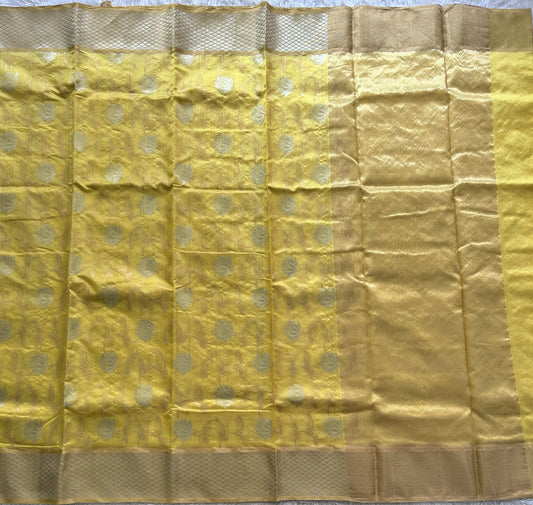

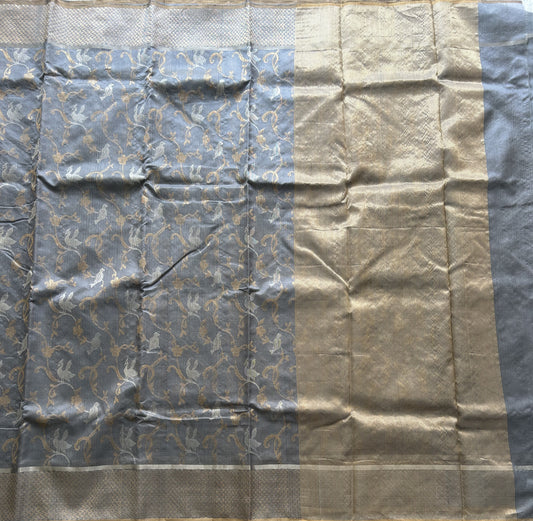

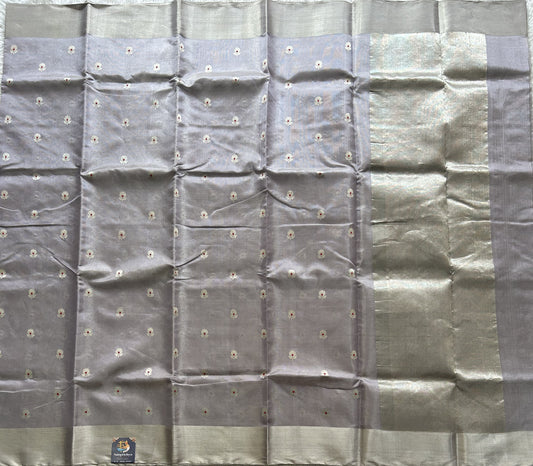


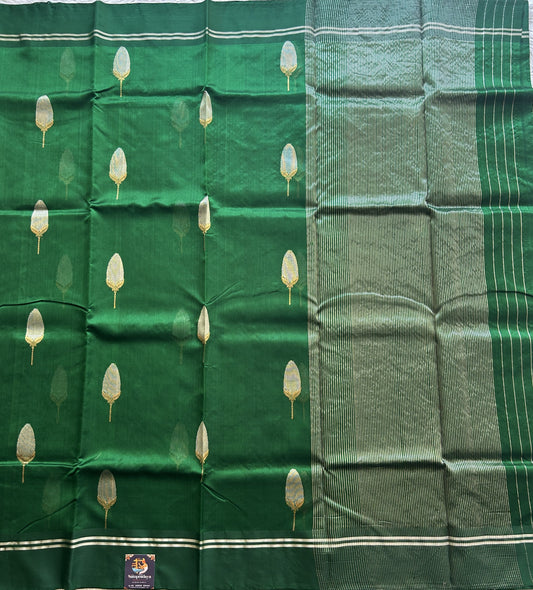


Let customers speak for us
I picked this lavender Banarasi saree mainly because I wanted something different from the usual darker shades I own. I was slightly unsure about the color, as sometimes online images look brighter than real life, but when it arrived, the shade was actually very soft and elegant, just like shown.
The raw silk fabric feels rich yet comfortable to wear, not stiff at all. The gold zari border is neat and has a beautiful shine without looking too loud. Even the blouse piece quality is good. It came nicely folded in protective packaging, which I appreciated.
I’m planning to wear it for a family function next month. It feels special but still very graceful.

I chose this eggplant-colored Gadwal saree because I’ve always liked deeper shades for evening functions. I was a bit hesitant about how the color would look in person, but when I opened the package, it was even more beautiful than I expected. The tone is rich and has a nice depth to it.
The silk feels smooth and light on the body, which surprised me because I thought it might be heavier. The gold zari border is detailed and has a traditional finish without being too flashy. The saree was packed neatly and reached on time.
I wore it for a small family gathering, and it felt comfortable throughout. I’m genuinely happy I chose this one.

I wanted a saree within a fixed budget and they showed me suitable pieces without pushing expensive ones. That felt nice.
I didn’t plan on writing a review, but after receiving my saree I felt it was worth mentioning. The material feels comfortable even after wearing it for several hours, and the color looks exactly the same as shown. What I liked most was the calm way everything was handled—no repeated follow-ups, no confusion. It just felt easy. Sometimes that’s all you want while shopping.
I recently decided to buy a special saree as a birthday gift for my friend from Sampradaya Designer Studio in Gachibowli, Hyderabad, and the whole experience was very positive and reassuring.
If you’re someone who values authentic sarees and clear communication, this place is a good choice. From selection to delivery, everything felt organized and trustworthy. I would confidently recommend Sampradaya Designer Studio to friends and family.
Genuine collection, good quality fabric, and smooth coordination throughout. Everything was handled professionally and calmly. Overall, a very pleasant shopping experience.
Beautiful handloom sarees with a premium feel. The fabric quality is very evident once you see it in person. The saree drape was smooth and elegant, and the finishing was neat. Packaging was also done carefully. If you appreciate genuine quality, this store is worth checking.
The biggest plus here is the guidance. I was not pushed to buy anything expensive, instead I was shown options that actually suited my requirement. The team explained the difference between fabrics patiently, which made decision-making easy. You don’t feel like a customer here, you feel taken care of. That trust factor really stands out.
I took my time before writing this review because I wanted to see how the saree actually holds up after use. The fabric remained comfortable, the weave stayed intact, and the overall finish still looks fresh. That says a lot about the quality standards followed here. It’s reassuring to buy from a place that values long-term quality rather than just first impressions.
Zarikota Silk Saree — Lightweight Luxury
I ordered a Silk Mark certified Zarikota pure silk saree from Sampradaya Designer Studio, and the experience was wonderful. I wanted something elegant, lightweight, and classy, and they guided me perfectly through video calls.
The handloom Zarikota silk is soft, rich, and looks very premium. The maggam work on the blouse and the neat stitching added a beautiful finishing touch. Everything was coordinated online without any confusion.
From saree selection to final delivery, the entire process was smooth and stress-free. This is the best place to buy authentic Silk Mark Zarikota sarees with boutique-quality stitching and embroidery.
Kanjeevaram Silk Saree — Wedding Purchase
I ordered a Silk Mark certified pure Kanjeevaram silk saree from Sampradaya Designer Studio for a wedding in my family, and the experience was absolutely flawless. From saree selection to blouse stitching and maggam embroidery, everything was done online through video calls and WhatsApp.
They showed me multiple genuine handloom Kanjeevaram sarees, explained the zari quality, and helped me select the perfect color and border. The maggam work and blouse stitching were executed beautifully and the fitting was perfect.
The saree was delivered safely to my doorstep, exactly as promised. It truly felt like having a premium silk boutique and designer at home. If you want authentic Silk Mark Kanjeevaram sarees with complete end-to-end service, Sampradaya is the best place.
Chanderi Silk Saree — Gifting & Elegant Wear
I bought a Silk Mark certified pure Chanderi silk saree from Sampradaya Designer Studio as a gift, and it turned out to be a perfect choice. The saree selection was done through video call and they helped me choose a beautiful, elegant design.
The handloom Chanderi silk quality is genuine and premium, with a lovely shine and smooth texture. The blouse stitching and maggam work were done neatly and matched the saree perfectly.
The saree was delivered right to my home, beautifully packed and exactly as shown. Sampradaya Designer Studio truly offers a trusted online shopping experience for Silk Mark certified handloom sarees.
They are silk mark certified, genuine handlooms available here.
Beautiful collection, prompt delivery.. Got quick response at any time. Sarees are soo elegant and beautiful. Stitching also perfect fitting.. Thank you Sampradaya studio. Would love to shop more and more
Guide to Chanderi Silk Sarees
Overview Chanderi Silk Sarees
Chanderi silk sarees are lightweight handloom sarees from Chanderi in Madhya Pradesh. These sarees are known for their soft silk texture, airy weave, and elegant traditional motifs. Local weaving families have practiced this craft for generations using fine silk yarns.
The fabric often combines pure silk or silk-cotton yarns. This creates a saree that feels light yet looks rich. Many designs feature small woven buti motifs and delicate zari borders. Because of the breathable weave, Chanderi sarees remain comfortable even during long events.
Our collection includes traditional handloom Chanderi silk sarees woven by skilled artisans. Many sarees are made using natural silk yarn and classic weaving techniques passed through weaving clusters in Chanderi.
What Makes Chanderi Silk Sarees Unique
Chanderi silk sarees stand out because of their very light structure and soft sheen. The fabric is woven using fine silk yarns that create a slightly sheer texture. Many sarees include small buti motifs woven directly into the fabric.
Traditional Chanderi sarees also feature narrow zari borders and elegant pallu designs. These elements give the saree a refined appearance without adding heavy weight. Because of this balance, Chanderi silk sarees work well for festive occasions and weddings.
Chanderi Silk vs Other Lightweight Saree Fabrics
Many customers compare Chanderi silk with other lightweight saree fabrics before choosing. This table explains the key differences between Chanderi, Organza, and Tussar silk sarees.
| Feature | Chanderi Silk Sarees | Organza Sarees | Tussar Silk Sarees |
|---|---|---|---|
| Fabric Weight | Very lightweight and airy | Extremely lightweight but crisp | Medium weight |
| Texture | Smooth with soft sheen | Sheer and slightly stiff | Textured with natural grain |
| Weaving Style | Handloom plain weave with buti motifs | Plain weave silk with transparent finish | Wild silk yarn with textured weave |
| Common Designs | Buti motifs, zari borders | Floral prints, embroidery | Traditional patterns and earthy tones |
| Best Occasions | Festivals, weddings, formal events | Parties, modern festive wear | Traditional events and cultural occasions |
| Comfort for Long Wear | Very comfortable due to breathable weave | Comfortable but slightly stiff drape | Comfortable but heavier than Chanderi |
Fabric Behavior and Lightweight Comfort
Chanderi silk fabric is known for its light weight and breathable structure. The weave allows air to pass through easily, which makes the saree comfortable in warm weather.
The drape is soft with a slight crisp finish. This helps the saree maintain shape while still flowing naturally. Many women choose Chanderi sarees for long celebrations because the fabric stays comfortable for several hours.
Weaving Techniques Used in Chanderi Handloom Sarees
Most Chanderi sarees are woven on traditional handlooms by artisan weaving families. The base fabric uses a plain weave structure created with fine silk yarn in warp and weft.
Small decorative motifs are added using a technique known as buti motif weaving. These motifs may include flowers, coins, peacocks, or geometric shapes.
Borders often include fine metallic zari threads woven into the edge of the saree. This zari border weaving adds contrast and traditional character to the fabric.
You can explore more traditional weaving styles in our Handloom Silk Saree collection.
How to Identify Authentic Chanderi Silk Sarees
Authentic Chanderi silk sarees are usually woven in the Chanderi weaving region of Madhya Pradesh. Handloom weaving creates slight irregularities that show the saree was made by artisans.
Look for traditional buti motifs woven directly into the fabric rather than printed designs. Many pure silk versions also carry Silk Mark certification, which confirms the use of genuine silk yarn.
The fabric should feel light and breathable with a soft natural shine. Heavy synthetic shine usually indicates machine-made fabric.
Types and Designs of Chanderi Silk Sarees
Chanderi sarees are available in several traditional design styles. Some sarees feature simple body patterns with delicate zari borders.
Others include dense motif layouts across the body and pallu. Common motifs include floral buti, geometric patterns, and traditional Indian symbols.
These sarees are popular for festive wear, cultural events, and weddings. Many customers also explore our Kanjivaram Silk Saree collection for heavier wedding silk sarees.
Price Factors in Handloom Chanderi Silk Sarees
Several factors influence the price of a Chanderi silk saree. One major factor is the type of silk yarn used in the weaving process.
Sarees woven using pure silk yarn usually cost more than silk-cotton blends. The density of motifs and complexity of zari work also affect the price.
Handloom weaving requires skilled artisans and takes more time than machine weaving. Because of this craftsmanship, genuine handloom Chanderi sarees often have higher value.
Explore Related Silk Saree Collections
Learn More About Silk Sarees
If you would like to understand silk weaving, authenticity, and quality in more detail, explore these guides:
FAQS — Chanderi Silk Sarees
Explore the delicate artistry, regional heritage, and unique textures of authentic Chanderi weaving, crafted for elegance and lightweight comfort.
1. How to identify pure Chanderi silk saree?
Pure Chanderi silk sarees are usually woven on handlooms in Chanderi, Madhya Pradesh. The fabric feels lightweight and slightly sheer with a soft natural shine. Many authentic sarees also carry Silk Mark certification, which confirms the use of genuine silk yarn.
2. What are the different types of Chanderi silk sarees?
Chanderi sarees are commonly made in three variations: pure silk, silk-cotton, and cotton Chanderi. Pure silk versions have a richer sheen, while silk-cotton sarees feel lighter and more breathable.
3. Are Chanderi silk sarees lightweight?
Yes, Chanderi silk sarees are known for their lightweight structure. The plain weave and fine silk yarn create a breathable fabric that feels comfortable for long wear.
4. What is the difference between Chanderi silk and Banarasi silk?
Chanderi silk sarees are lightweight and have a slightly transparent texture. Banarasi silk sarees are heavier and use dense brocade weaving with elaborate zari patterns.
5. What is the difference between Chanderi silk and Tussar silk?
Chanderi silk is smooth, lightweight, and often woven with fine silk yarn. Tussar silk sarees have a slightly textured surface and a natural golden tone because they use wild silk fibers.
6. What is the difference between handloom Chanderi and powerloom sarees?
Handloom Chanderi sarees are woven by artisans on traditional looms, which creates subtle weaving variations. Powerloom sarees are machine-woven and usually lack the delicate texture and craftsmanship of handloom weaving.
7. Why do Chanderi sarees have small motifs across the fabric?
Traditional Chanderi sarees often include small motifs called buti. These motifs are woven into the fabric during the weaving process using supplementary threads.
8. Where are authentic Chanderi silk sarees made?
Authentic Chanderi sarees come from the town of Chanderi in Madhya Pradesh. The region has a long weaving tradition where artisan families produce sarees using handloom techniques.
9. Are Chanderi silk sarees suitable for weddings?
Yes, many Chanderi silk sarees are worn for weddings and festive occasions. Designs with zari borders and traditional motifs give the saree a formal and elegant appearance.