
Chanderi Heritage Highlights
- ✓ Authenticity: Silk Mark Certified
- ✓ Texture: Signature Sheer "Woven Air" - Pure Silk
- ✓ Craft: 100% Pure Handloom with Hand-woven Zari Buttis
- ✓ Quality: High-twist yarns for superior drape and durability
- ✓ Shipping: Free India Shipping; Secure Global Delivery
-
Gold Color Chanderi Silk Saree With Gold Zari Border — Pure Handloom | Silk Mark Certified
Sale price ₹ 14,625.00 Regular price₹ 16,250.00Regular price ₹ 14,625.00Unit price perSale -


Bottle Green Color Chanderi Silk Saree With Gold Zari Border — Pure Handloom | Silk Mark Certified
Sale price ₹ 15,165.00 Regular price₹ 16,850.00Regular price ₹ 15,165.00Unit price perSale -
Violet Color Chanderi Silk Saree With Gold Zari Border — Pure Handloom | Silk Mark Certified
Sale price ₹ 14,000.00 Regular price₹ 11,250.00Regular price ₹ 14,000.00Unit price per -
Purple Color Chanderi Silk Saree With Gold Zari Border — Pure Handloom | Silk Mark Certified
Sale price ₹ 11,250.00 Regular price₹ 11,250.00Regular price ₹ 11,250.00Unit price per -
Blue Color Chanderi Silk Saree With Gold Zari Border — Pure Handloom | Silk Mark Certified
Sale price ₹ 11,250.00 Regular price₹ 11,250.00Regular price ₹ 11,250.00Unit price per -
Bottle Green Color Chanderi Silk Saree With Gold Zari Border — Pure Handloom | Silk Mark Certified
Sale price ₹ 11,250.00 Regular price₹ 11,250.00Regular price ₹ 11,250.00Unit price per -
Peach Color Chanderi Silk Saree With Gold Zari Border — Pure Handloom | Silk Mark Certified
Sale price ₹ 10,665.00 Regular price₹ 11,850.00Regular price ₹ 10,665.00Unit price perSale -


Grayish Blue Color Chanderi Silk Saree With Gold Zari Border — Pure Handloom | Silk Mark Certified
Sale price ₹ 10,665.00 Regular price₹ 11,850.00Regular price ₹ 10,665.00Unit price perSale -


Bottle Green Color Chanderi Silk Saree With Gold Zari Border — Pure Handloom | Silk Mark Certified
Sale price ₹ 10,665.00 Regular price₹ 11,850.00Regular price ₹ 10,665.00Unit price perSale -
Peach Color Chanderi Silk Saree With Gold Zari Border — Pure Handloom | Silk Mark Certified
Sale price ₹ 10,665.00 Regular price₹ 11,850.00Regular price ₹ 10,665.00Unit price perSale -


Dark Pink Color Chanderi Silk Saree With Gold Zari Border — Pure Handloom | Silk Mark Certified
Sale price ₹ 10,665.00 Regular price₹ 11,850.00Regular price ₹ 10,665.00Unit price perSale -
Onion Pink Color Chanderi Silk Saree With Gold Zari Border — Pure Handloom | Silk Mark Certified
Sale price ₹ 13,850.00 Regular price₹ 13,850.00Regular price ₹ 13,850.00Unit price per -
Peach Color Chanderi Silk Saree With Gold Zari Border — Pure Handloom | Silk Mark Certified
Sale price ₹ 13,650.00 Regular price₹ 13,950.00Regular price ₹ 13,650.00Unit price perSale -
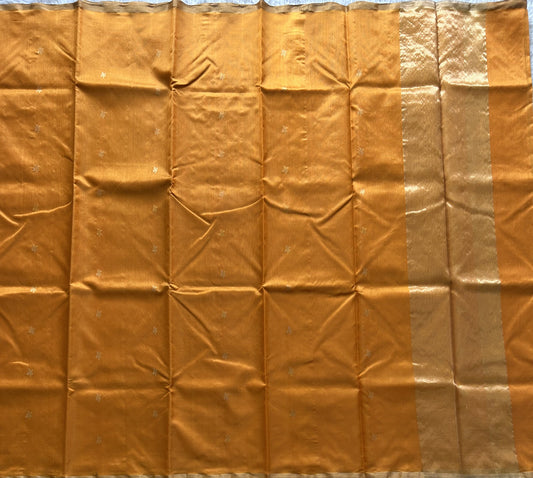
Orange Chanderi Silk Saree With Gold Zari Border — Pure Handloom | Silk Mark Certified
Sale price ₹ 13,252.00 Regular price₹ 13,950.00Regular price ₹ 13,252.00Unit price perSale -
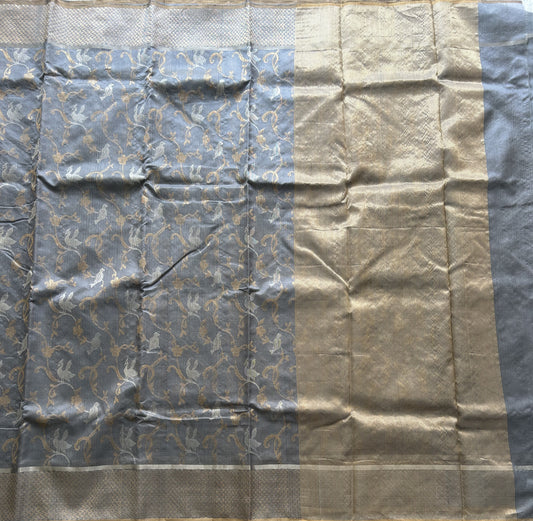
Gray Chanderi Silk Saree With Gold Zari Border — Pure Handloom | Silk Mark Certified
Sale price ₹ 13,252.00 Regular price₹ 13,950.00Regular price ₹ 13,252.00Unit price perSale -
Red Chanderi Silk Saree With Silver Zari Border — Pure Handloom | Silk Mark Certified
Sale price ₹ 13,252.00 Regular price₹ 13,950.00Regular price ₹ 13,252.00Unit price perSale -
Red Chanderi Silk Saree With Gold Zari Border — Pure Handloom | Silk Mark Certified
Sale price ₹ 13,252.00 Regular price₹ 13,950.00Regular price ₹ 13,252.00Unit price perSale -
Baby Pink Chanderi Silk Saree With Gold Zari Border — Pure Handloom | Silk Mark Certified
Sale price ₹ 13,252.00 Regular price₹ 13,950.00Regular price ₹ 13,252.00Unit price perSale -
Beige Chanderi Silk Saree With Gold Zari Border — Pure Handloom | Silk Mark Certified
Sale price ₹ 13,455.00 Regular price₹ 14,950.00Regular price ₹ 13,455.00Unit price perSale -
Chanderi Tissue Saree Amber color Elegantly Paired with a Silver Zari Border
Sale price ₹ 15,165.00 Regular price₹ 16,850.00Regular price ₹ 15,165.00Unit price perSale -
Chanderi Silk Saree Light Green color Elegantly Paired with a Gold Zari Border
Sale price ₹ 12,825.00 Regular price₹ 14,250.00Regular price ₹ 12,825.00Unit price perSale -
Chanderi Silk Saree Onion Pink color Elegantly Paired with a Gold Zari border
Sale price ₹ 11,067.50 Regular price₹ 11,650.00Regular price ₹ 11,067.50Unit price perSale -
Chanderi Silk Saree Wheat color Elegantly Paired with a Silver Zari border
Sale price ₹ 11,067.50 Regular price₹ 11,650.00Regular price ₹ 11,067.50Unit price perSale -
Chanderi Silk Saree Light Mint Green color Elegantly Paired with a Silver Zari border
Sale price ₹ 11,067.50 Regular price₹ 11,650.00Regular price ₹ 11,067.50Unit price perSale -
Chanderi Silk Saree Peach color Elegantly Paired with a Silver Zari border
Sale price ₹ 11,067.50 Regular price₹ 11,650.00Regular price ₹ 11,067.50Unit price perSale -
Chanderi Silk Saree Neon Green color Elegantly Paired with a Gold Zari border
Sale price ₹ 11,067.50 Regular price₹ 11,650.00Regular price ₹ 11,067.50Unit price perSale -
Chanderi Silk Saree Yellow colored Elegantly Paired with a Red Colored with Gold Zari border
Sale price ₹ 13,062.50 Regular price₹ 13,750.00Regular price ₹ 13,062.50Unit price perSale -
Chanderi Silk Saree Dusty Mauve color Elegantly Paired with a Gold Zari border
Sale price ₹ 16,007.50 Regular price₹ 16,850.00Regular price ₹ 16,007.50Unit price perSale -
Chanderi Silk Saree Peacock Green color Elegantly Paired Gold Zari border
Sale price ₹ 14,107.50 Regular price₹ 14,850.00Regular price ₹ 14,107.50Unit price perSale -
Chanderi Silk Saree Surf Blue color Elegantly Paired with a Gold Zari Weaving border
Sale price ₹ 16,007.50 Regular price₹ 16,850.00Regular price ₹ 16,007.50Unit price perSale -
Chanderi Silk Saree Pink color Paired with a Gold color Double border
Sale price ₹ 12,825.00 Regular price₹ 13,500.00Regular price ₹ 12,825.00Unit price perSale -
Chanderi Silk Saree Mustard color Elegantly Paired with a Teal Green Zari Weaving border
Sale price ₹ 16,007.50 Regular price₹ 16,850.00Regular price ₹ 16,007.50Unit price perSale -
Chanderi Silk Saree Purple color Elegantly Paired with a Zari border
Sale price ₹ 16,007.00 Regular price₹ 16,850.00Regular price ₹ 16,007.00Unit price perSale





Let customers speak for us
I got stitched my Bridal lehenga here and they prepared it exact to my fit. Thank you very much for delivering beautifully on time.
Very fresh color. That’s the first thing I thought after opening it. Lemon yellow looked a little risky while ordering, but it actually looks pleasant when worn.
Fabric is soft and falls nicely. Didn’t have to struggle much while draping. Silver border keeps it looking simple, which I liked.
Wore it for a daytime function and felt quite comfortable. Not too heavy, easy to carry for long time.

At first I wasn’t sure about the blue and green combination, but it looks really nice together after wearing. Bit traditional, bit different also.
The saree feels light compared to how rich it looks. Border stands out well and gives a proper festive look. I liked the overall color combination more than expected.
Used it for a family wedding. Stayed comfortable for long hours. Delivery came on time

Grey is not a color I normally pick for sarees, but this one looked elegant in the video so thought of trying.
The fabric is soft with a nice fall. Once worn, it gives a classy look without being too shiny. Border work is neat and blends well with the grey shade.
I wore it for an evening event and actually got more compliments than expected. Packing was proper, saree came safely. Happy with this

The green shade looked very traditional, that’s why this one stood out for me. I was expecting it to be nice, but honestly it looked even better after opening.
The border has good detailing and gives that proper festive feel. Fabric is soft but still has that rich silk look. Not a light daily wear type saree at all.
Kept this for a wedding function and it suited the occasion perfectly. Even my mother liked it a lot, which rarely happens with my online shopping choices.

Needed something simple for office and picked this one mainly because of the color. Onion pink looks soft and decent, not too bright.
Cotton fabric is comfortable for full day wear. Easy to drape also. I liked that it doesn’t feel bulky.
Nothing too fancy about the saree, but that’s why I liked it. Just simple and neat. Came on time and packing was okay.

Didn’t want to spend too much on pure silk this time, so chose this one. For the price, it actually looks quite grand.
Green color is rich and the gold border gives proper Kanjivaram feel. Fabric has a nice shine when worn. It is slightly heavy but that’s expected with this style.
Used it for a wedding event and it looked good in photos also. Delivery was smooth, packing was decent. Nice option if looking for that traditional look without going too expensive.

This yellow is brighter than what I usually wear, but somehow it looked nice when draped. Not too loud.
The silver border is what I liked most actually. Simple, clean look. Fabric feels light and easy to carry around, especially for daytime events.
Wore it for a family function in the morning. Comfortable for long hours. Saree came neatly packed, no issues.

Wonderful collection. The quality of the sarees is fabulous. Would definitely recommend buying sarees here.
Black and gold is always a safe combination, so went with this one. The saree looks quite rich in person, especially the border work.
Fabric feels smooth and has that proper silk shine. I thought it may feel heavy, but it was manageable after draping. The gold zari border stands out nicely against the black.
Used it for an evening function and it looked good under lights. Delivery was on time and packing was neat. Overall happy with how it turned out.

The blue on this saree is really what made me order it. In photos sometimes peacock shades look too bright, so I was waiting to see the actual color.
It came out very nice. Rich color, especially under lights. Fabric has that proper raw silk feel, little structured but looks elegant when worn. Gold border also looks clean, not overly flashy.
Wore it for a wedding reception and it suited the occasion well. Few people asked where I got it from. Packaging was proper and saree came in good condition.

Honestly, this felt like a proper occasion saree the moment I opened it. The cream shade is not plain at all, it has that soft richness.
The silk is on the heavier side, but that’s expected for Kanjivaram. Once draped, it sits well. The gold border is quite prominent, gives that traditional look.
I didn’t wear it yet, keeping it for a wedding in the family. Packing was good, came safely. This is not for small events, definitely for big occasions.

Didn’t overthink this one, just needed a simple dress material. Maroon looked nice so ordered.
Color is good, not too dark. Fabric feels comfortable, proper cotton. Will be good for daily wear after stitching. Border has a small gold touch, looks neat.
Came on time, packing was okay. Nothing fancy, but does the job.

Founder, Sampradaya Designer Studio
Authentic Chanderi Silk Sarees: A Guide to Heritage, Weaves, and Styling
- Overview Chanderi Silk Sarees
- What Makes Chanderi Silk Sarees Unique
- What We’ve Observed From Real Chanderi Buyers
- Fabric Behavior and Comfort
- Chanderi Silk vs Other Lightweight Saree Fabrics
- The Hallmark of Purity: Silk Mark Certification
- The Master’s Craft: Technical Nuances of Chanderi Weaving
- Weaving Techniques
- How to Identify Authentic Chanderi Silk Sarees
- Types and Designs of Chanderi Sarees
- Price Factors in Chanderi Silk Sarees
- Frequently Asked Questions
- Preserving Heritage: How to Care for Chanderi Silk
Overview Chanderi Silk Sarees
Chanderi silk sarees are lightweight handloom sarees from Chanderi in Madhya Pradesh. These sarees are known for their soft silk texture, airy weave, and elegant traditional motifs. Local weaving families have practiced this craft for generations using fine silk yarns.
The fabric often combines pure silk or silk-cotton yarns. This creates a saree that feels light yet looks rich. Many designs feature small woven buti motifs and delicate zari borders. Because of the breathable weave, Chanderi sarees remain comfortable even during long events.
Our collection includes traditional handloom Chanderi silk sarees woven by skilled artisans. Many sarees are made using natural silk yarn and classic weaving techniques passed through weaving clusters in Chanderi.
Shop the Latest 2026 Chanderi Silk Designs
From ethereal pastels for summer weddings to rich jewel tones with heavy Nalbandi borders, find your perfect drape today.
✓ Silk Mark Certified | ✓ Global Shipping | ✓ Authentic Handloom
Many customers specifically choose Chanderi silk sarees for summer weddings and long events because of their breathable, lightweight comfort.
View Collection & Prices
What We’ve Observed From Real Chanderi Buyers
From our experience, Chanderi silk sarees are most loved by women who want elegance without heaviness.
Many customers initially hesitate, wondering if a lightweight saree will look “grand enough” for weddings or special occasions. But once they wear Chanderi, they appreciate its subtle luxury — the soft sheen, airy drape, and refined detailing create a sophisticated look rather than a heavy traditional one.
One common concern is transparency. Pure Chanderi silk has a naturally sheer texture due to its fine yarns. However, when styled correctly with a well-fitted blouse and inner lining, it enhances elegance rather than compromising comfort.
Customers also compare Chanderi with heavier silks like Kanjivaram or Banarasi. While those sarees are ideal for grand bridal looks, Chanderi is preferred for long events, summer weddings, and occasions where comfort matters as much as appearance.
A common mistake buyers make is judging Chanderi based only on weight. Unlike heavy silks, its value lies in the fineness of yarn, weaving precision, and handcrafted motifs — not thickness.
This is why we carefully curate Chanderi sarees that balance lightness, authenticity, and elegance — so you get a saree that feels effortless yet looks refined.
What Makes Chanderi Silk Sarees Unique
Chanderi silk sarees stand out because of their very light structure and soft sheen. The fabric is woven using fine silk yarns that create a slightly sheer texture. Many sarees include small buti motifs woven directly into the fabric.
Traditional Chanderi sarees also feature narrow zari borders and elegant pallu designs. These elements give the saree a refined appearance without adding heavy weight. Because of this balance, Chanderi silk sarees work well for festive occasions and weddings.
Chanderi Silk vs Other Lightweight Saree Fabrics
Many customers compare Chanderi silk with other lightweight saree fabrics before choosing. This table explains the key differences between Chanderi, Organza, and Tussar silk sarees.
| Feature | Chanderi Silk Sarees | Organza Sarees | Tussar Silk Sarees |
|---|---|---|---|
| Fabric Weight | Very lightweight and airy | Extremely lightweight but crisp | Medium weight |
| Texture | Smooth with soft sheen | Sheer and slightly stiff | Textured with natural grain |
| Weaving Style | Handloom plain weave with buti motifs | Plain weave silk with transparent finish | Wild silk yarn with textured weave |
| Common Designs | Buti motifs, zari borders | Floral prints, embroidery | Traditional patterns and earthy tones |
| Best Occasions | Festivals, weddings, formal events | Parties, modern festive wear | Traditional events and cultural occasions |
| Comfort for Long Wear | Very comfortable due to breathable weave | Comfortable but slightly stiff drape | Comfortable but heavier than Chanderi |
Fabric Behavior and Lightweight Comfort
Chanderi silk fabric is known for its light weight and breathable structure. The weave allows air to pass through easily, which makes the saree comfortable in warm weather.
The drape is soft with a slight crisp finish. This helps the saree maintain shape while still flowing naturally. Many women choose Chanderi sarees for long celebrations because the fabric stays comfortable for several hours.
The Hallmark of Purity: Silk Mark Certification
At Sampradaya, we believe that luxury must be synonymous with honesty. A true Chanderi silk saree is an investment in heritage, and to protect that investment, our pure silk collection carries the Silk Mark Assurance.
"The Silk Mark is not just a label; it is a promise. It ensures that every thread in your saree is 100% natural silk, verified by the Silk Mark Organisation of India (Central Silk Board)."
Why the Silk Mark Matters to You:
- Guaranteed Authenticity: It protects you against "Art Silk" or synthetic blends that often mimic the look of Chanderi but lack its breathable soul and longevity.
- Ethical Sourcing: The certification tracks the journey of the silk, ensuring it meets the rigorous standards set by the Central Silk Board of India.
- Generational Value: Pure natural silk ages beautifully, maintaining its luster for decades. The Silk Mark confirms that your Sampradaya saree is a genuine heirloom piece.
When you shop our Chanderi collection, look for the Silk Mark hangtag. It is our way of ensuring that your love for handloom is backed by the highest authority of purity in the country.
The Master’s Craft: Technical Nuances of Chanderi Weaving
To the untrained eye, all Chanderi may look similar, but the true value lies in the technical density and the intricacy of the weave. At the highest level of craftsmanship, we categorize sarees based on the "Naliya" (thread) count and the border technique.
1. Eknaliya vs. Donaliya (The Thread Count)
The "Naliya" refers to the number of silk threads used in the weft (horizontal weave). This determines the transparency and the "hand-feel" of the saree.
- Eknaliya (Single Thread): This is the hallmark of a master weaver. A single, ultra-fine silk thread is used, resulting in a fabric that is exceptionally sheer, gossamer-light, and fluid. It requires immense patience and skill, as the thin thread is prone to breaking on the loom.
- Donaliya (Double Thread): Here, two silk threads are twisted together. This creates a slightly more "crisp" and durable texture. While still remarkably light, a Donaliya weave has a more visible luster and a more substantial drape compared to the ethereal Eknaliya.
2. Nalbandi (The Art of the Border)
"Nalbandi" is a specific, heritage technique used to weave the borders. Unlike standard weaving, Nalbandi involves a complex interlacing of zari and silk threads that creates a more reinforced, yet delicate, edge.
The Benefit: A Nalbandi border stays flat against the body and maintains its "khatwa" (net-like) integrity for decades, preventing the zari from fraying or the border from losing its shape.
Weaving Techniques Used in Chanderi Handloom Sarees
Most Chanderi sarees are woven on traditional handlooms by artisan weaving families. The base fabric uses a plain weave structure created with fine silk yarn in warp and weft.
Small decorative motifs are added using a technique known as buti motif weaving. These motifs may include flowers, coins, peacocks, or geometric shapes.
Borders often include fine metallic zari threads woven into the edge of the saree. This zari border weaving adds contrast and traditional character to the fabric.
You can explore more traditional weaving styles in our Handloom Silk Saree collection.
How to Identify Authentic Chanderi Silk Sarees
Authentic Chanderi silk sarees are usually woven in the Chanderi weaving region of Madhya Pradesh. Handloom weaving creates slight irregularities that show the saree was made by artisans.
Look for traditional buti motifs woven directly into the fabric rather than printed designs. Many pure silk versions also carry Silk Mark certification, which confirms the use of genuine silk yarn.
The fabric should feel light and breathable with a soft natural shine. Heavy synthetic shine usually indicates machine-made fabric.
Types and Designs of Chanderi Silk Sarees
Chanderi sarees are available in several traditional design styles. Some sarees feature simple body patterns with delicate zari borders.
Others include dense motif layouts across the body and pallu. Common motifs include floral buti, geometric patterns, and traditional Indian symbols.
These sarees are popular for festive wear, cultural events, and weddings. Many customers also explore our Kanjivaram Silk Saree collection for heavier wedding silk sarees.
Price Factors in Handloom Chanderi Silk Sarees
Several factors influence the price of a Chanderi silk saree. One major factor is the type of silk yarn used in the weaving process.
Sarees woven using pure silk yarn usually cost more than silk-cotton blends. The density of motifs and complexity of zari work also affect the price.
Handloom weaving requires skilled artisans and takes more time than machine weaving. Because of this craftsmanship, genuine handloom Chanderi sarees often have higher value.
Preserving Heritage: How to Care for Chanderi Silk
A pure handloom Chanderi saree is a living fabric. To ensure your heirloom piece lasts for generations, follow these expert care guidelines:
- Dry Clean Only: Never hand-wash pure silk Chanderi. The fine silk yarns and zari are delicate and require professional care.
- Storage: Wrap your saree in a breathable muslin cloth. Avoid plastic covers, which can trap moisture and cause the zari to oxidize (turn black).
- Refolding: Periodically change the fold lines of your saree every 3-4 months to prevent the delicate silk threads from cracking along the creases.
- Ironing: Use only a low-heat silk setting and always iron on the reverse side with a protective cloth in between.
Explore Related Silk Saree Collections
Learn More About Silk Sarees
If you would like to understand silk weaving, authenticity, and quality in more detail, explore these guides:
FAQS — Chanderi Silk Sarees
Explore the delicate artistry, regional heritage, and unique textures of authentic Chanderi weaving, crafted for elegance and lightweight comfort.
1. How to identify pure Chanderi silk saree?
Pure Chanderi silk sarees are usually woven on handlooms in Chanderi, Madhya Pradesh. The fabric feels lightweight and slightly sheer with a soft natural shine. Many authentic sarees also carry Silk Mark certification, which confirms the use of genuine silk yarn.
2. What are the different types of Chanderi silk sarees?
Chanderi sarees are commonly made in three variations: pure silk, silk-cotton, and cotton Chanderi. Pure silk versions have a richer sheen, while silk-cotton sarees feel lighter and more breathable.
3. Are Chanderi silk sarees lightweight?
Yes, Chanderi silk sarees are known for their lightweight structure. The plain weave and fine silk yarn create a breathable fabric that feels comfortable for long wear.
4. What is the difference between Chanderi silk and Banarasi silk?
Chanderi silk sarees are lightweight and have a slightly transparent texture. Banarasi silk sarees are heavier and use dense brocade weaving with elaborate zari patterns.
5. What is the difference between Chanderi silk and Tussar silk?
Chanderi silk is smooth, lightweight, and often woven with fine silk yarn. Tussar silk sarees have a slightly textured surface and a natural golden tone because they use wild silk fibers.
6. What is the difference between handloom Chanderi and powerloom sarees?
Handloom Chanderi sarees are woven by artisans on traditional looms, which creates subtle weaving variations. Powerloom sarees are machine-woven and usually lack the delicate texture and craftsmanship of handloom weaving.
7. Why do Chanderi sarees have small motifs across the fabric?
Traditional Chanderi sarees often include small motifs called buti. These motifs are woven into the fabric during the weaving process using supplementary threads.
8. Where are authentic Chanderi silk sarees made?
Authentic Chanderi sarees come from the town of Chanderi in Madhya Pradesh. The region has a long weaving tradition where artisan families produce sarees using handloom techniques.
9. Do your Chanderi sarees come with Silk Mark?
Yes, all our pure silk Chanderi sarees carry the Silk Mark tag. This ensures that the warp and weft are made of genuine natural silk, protecting you against powerloom or synthetic imitations.
10. Are Chanderi silk sarees suitable for weddings?
Yes, many Chanderi silk sarees are worn for weddings and festive occasions. Designs with zari borders and traditional motifs give the saree a formal and elegant appearance.
11. Can I buy Chanderi silk sarees online with custom blouse stitching?
Yes! At Sampradaya Designer Studio, we offer worldwide shipping for our Chanderi collection. You can also opt for our premium blouse stitching services to get a perfectly tailored look delivered to your doorstep, whether you are in India or shopping as an NRI.